Tag: returns

Synthetic Data Generation (Part-1) - Block Bootstrapping
PythonQuant

Synthetic Data Generation (Part-1) - Block Bootstrapping

Outline * Introduction * An Alternative Solution? * Notebook Description and Links * Conclusions * Future Work * Resources and Links Introduction Data is at the core of quantitative research. The problem is history only has one path. Thus we are limited in our studies by the single historical path that a particular asset has taken. In order to gather more data, more asset data is collected and at higher and higher resolutions, however the main problem still exists; one historical path

READ MORE
COMPOSITE MACRO ETF WEEKLY ANALYTICS (2/27/2016)
Global MarketsPython

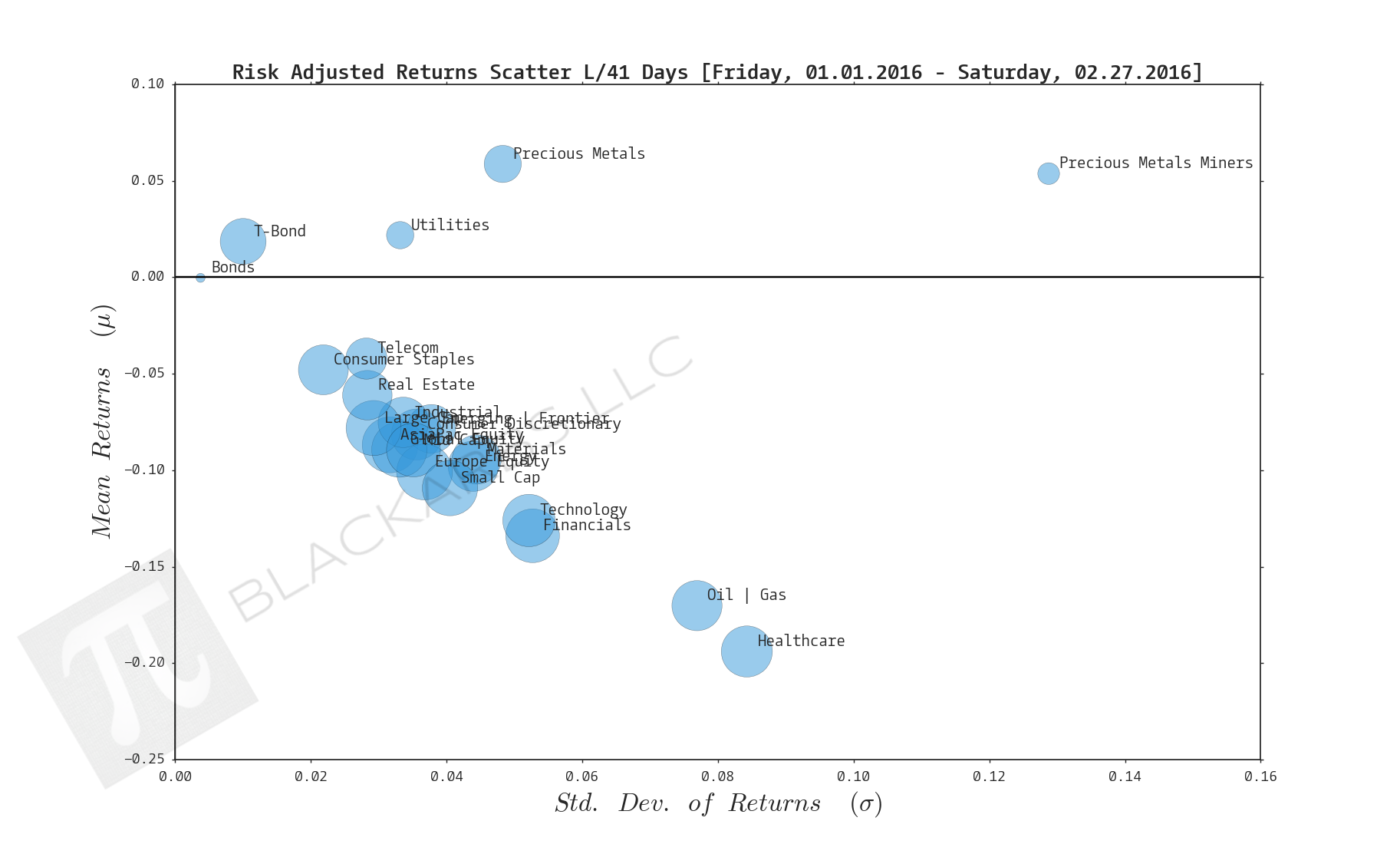
COMPOSITE MACRO ETF WEEKLY ANALYTICS (2/27/2016)

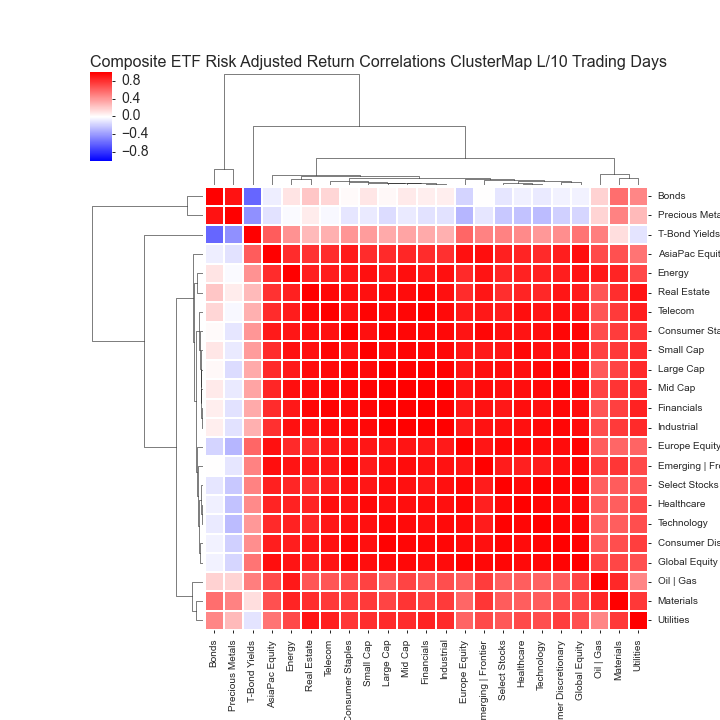
FOR A DEEPER DIVE INTO ETF PERFORMANCE AND RELATIVE VALUE SUBSCRIBE TO THE ETF INTERNAL ANALYTICS PACKAGE HERE LAYOUT (Organized by Time Period): Notable Trends and Observations Composite ETF Cumulative Returns Momentum Bar plot Composite ETF Cumulative Returns Line plot Composite ETF Risk-Adjusted Returns Scatter plot (Std vs Mean) Composite ETF Risk-Adjusted Return Correlations Heatmap (Clusterplot) Implied Cost of Capital Estimates Composite ETF Cumulative Return Tables COMP

READ MORE
COMPOSITE MACRO ETF WEEKLY IMPLIED COST-OF-CAPITAL ESTIMATES VS. CUMULATIVE RETURNS (11/28/15)
PythonGlobal Markets

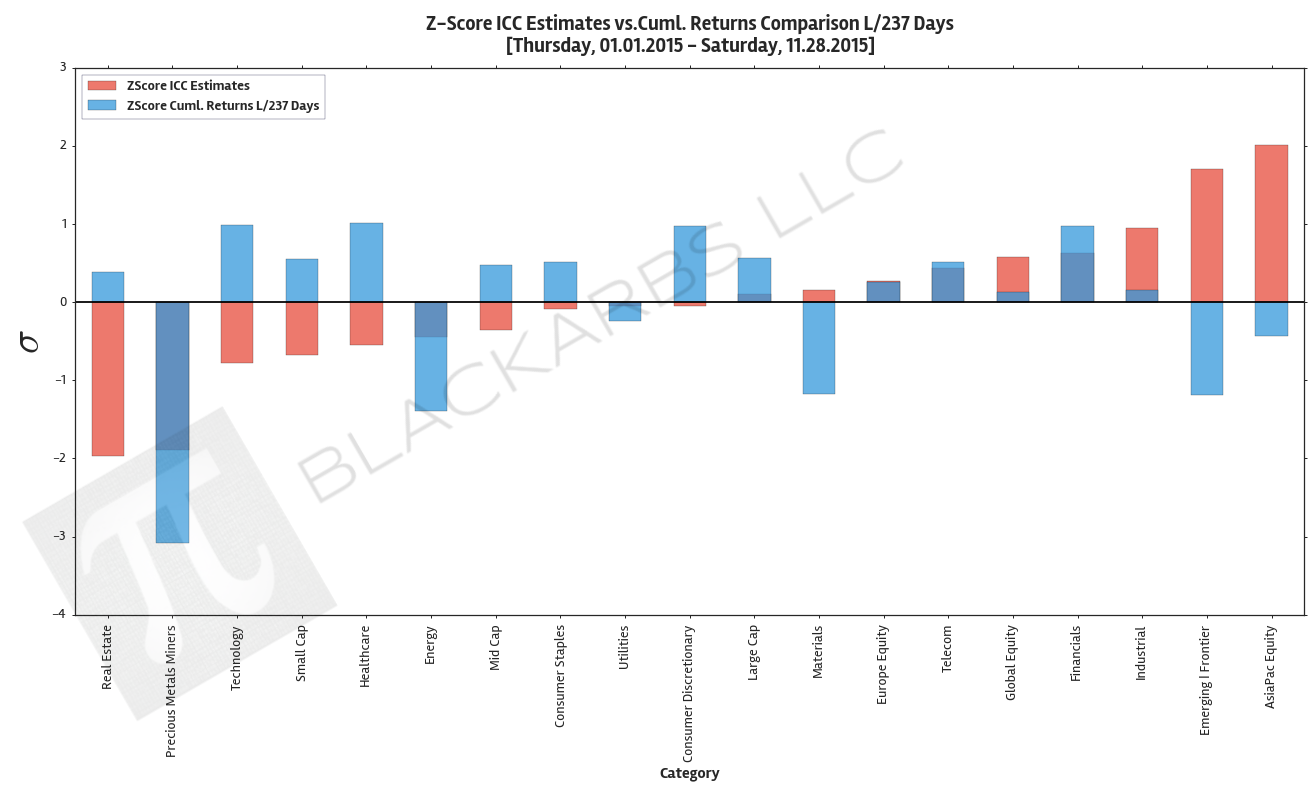
COMPOSITE MACRO ETF WEEKLY IMPLIED COST-OF-CAPITAL ESTIMATES VS. CUMULATIVE RETURNS (11/28/15)

WHAT IS THE "IMPLIED COST OF CAPITAL (ICC)" MODEL? “In accounting and finance the implied cost of equity capital (ICC)—defined as the internal rate of return that equates the current stock price to discounted expected future dividends—is an increasingly popular class of proxies for the expected rate of equity returns. ” — CHARLES C. Y. WANG; an assistant professor of business administration in the Accounting and Management Unit at Harvard Business School The basic concept of the ICC model is

READ MORE
COMPOSITE MACRO ETF WEEKLY ANALYTICS (11/28/2015)
PythonGlobal Markets

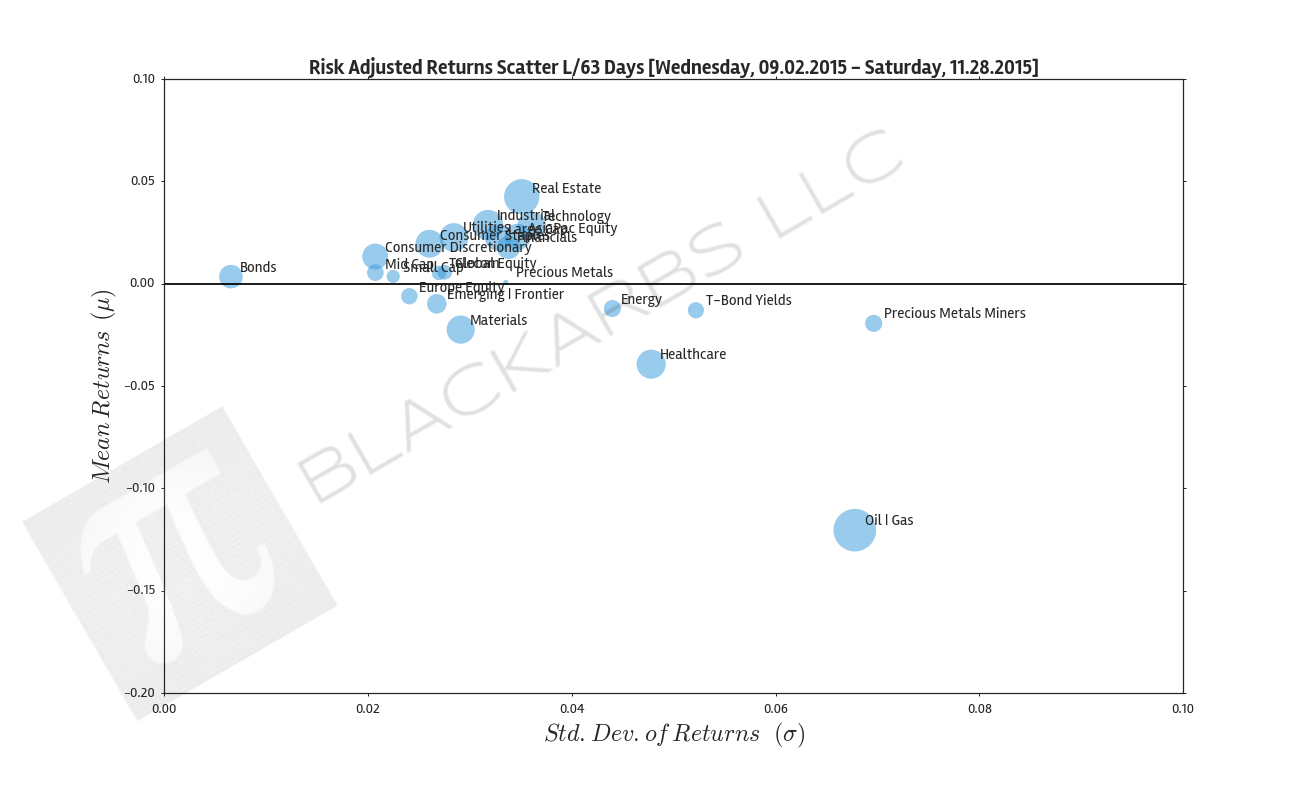
COMPOSITE MACRO ETF WEEKLY ANALYTICS (11/28/2015)

NEW LAYOUT (Organized by Time Period): Composite ETF Cumulative Returns Momentum Bar plot and associated Tables Composite ETF Cumulative Returns Line plot Composite ETF Risk-Adjusted Returns Scatter plot (Std vs Mean) Composite ETF Risk-Adjusted Return Correlations Heatmap (Clusterplot) COMPOSITE ETF COMPONENTS: YEAR-TO-DATE LAST 237 TRADING DAYS Click here for help understanding this Chart Click here for help understanding this Chart Click here for help understanding this Chart

READ MORE
COMPOSITE MACRO ETF WEEKLY IMPLIED COST-OF-CAPITAL ESTIMATES VS. CUMULATIVE RETURNS (11/21/15)
PythonGlobal Markets

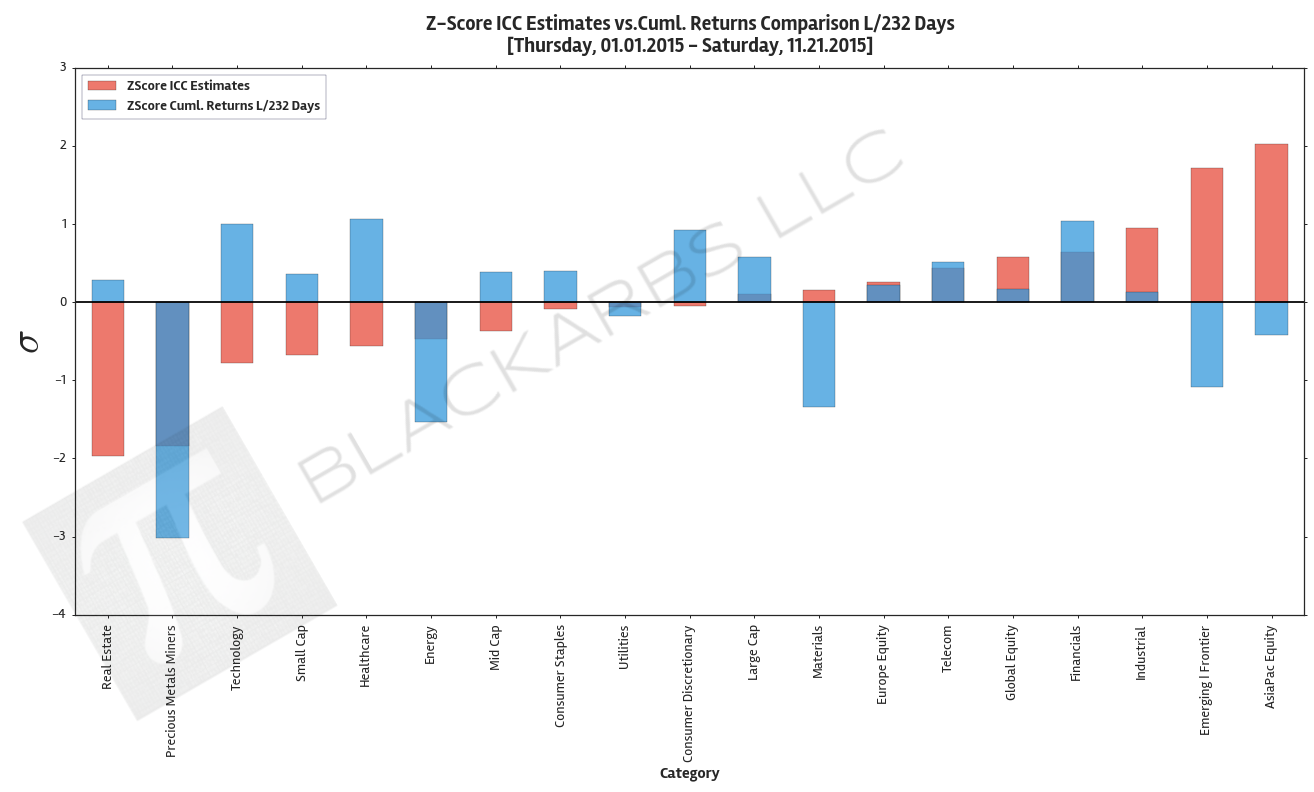
COMPOSITE MACRO ETF WEEKLY IMPLIED COST-OF-CAPITAL ESTIMATES VS. CUMULATIVE RETURNS (11/21/15)

WHAT IS THE "IMPLIED COST OF CAPITAL (ICC)" MODEL? “In accounting and finance the implied cost of equity capital (ICC)—defined as the internal rate of return that equates the current stock price to discounted expected future dividends—is an increasingly popular class of proxies for the expected rate of equity returns. ” — CHARLES C. Y. WANG; an assistant professor of business administration in the Accounting and Management Unit at Harvard Business School The basic concept of the ICC model is

READ MORE
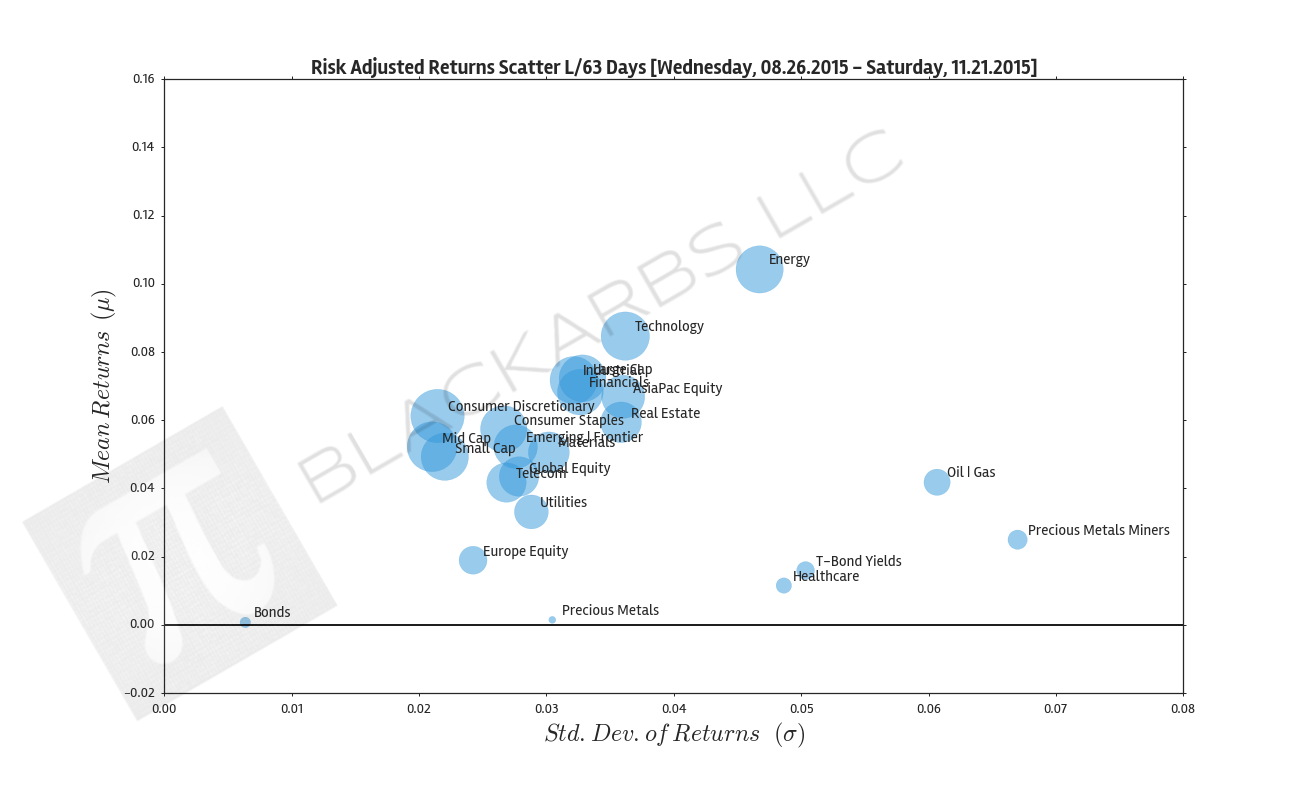
COMPOSITE MACRO ETF WEEKLY ANALYTICS (11/21/2015)
PythonGlobal Markets

COMPOSITE MACRO ETF WEEKLY ANALYTICS (11/21/2015)

NEW LAYOUT (Organized by Time Period): Composite ETF Cumulative Returns Momentum Bar plot and associated Tables Composite ETF Cumulative Returns Line plot Composite ETF Risk-Adjusted Returns Scatter plot (Std vs Mean) Composite ETF Risk-Adjusted Return Correlations Heatmap (Clusterplot) COMPOSITE ETF COMPONENTS: YEAR-TO-DATE LAST 232 TRADING DAYS Click here for help understanding this Chart Click here for help understanding this Chart Click here for help understanding this Chart

READ MORE
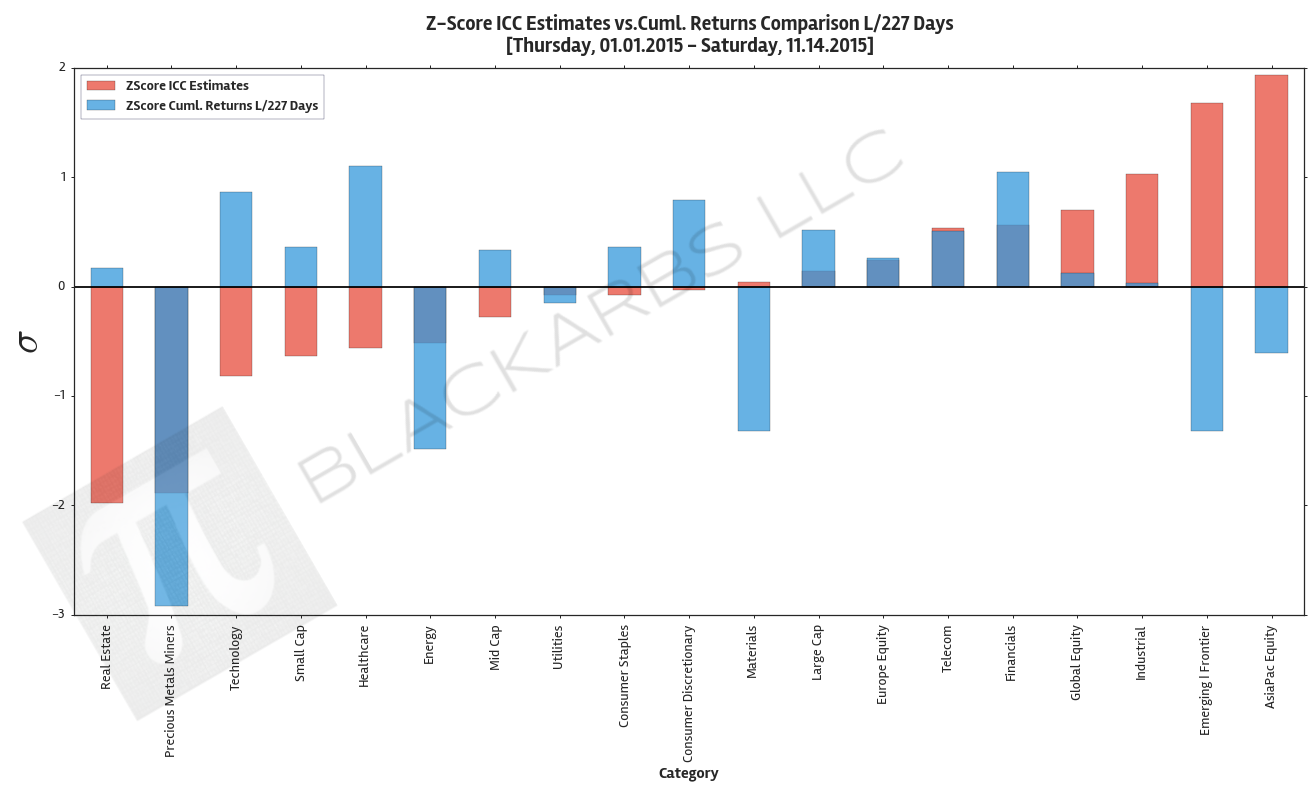
COMPOSITE MACRO ETF WEEKLY IMPLIED COST-OF-CAPITAL ESTIMATES VS. CUMULATIVE RETURNS (11/14/15)
PythonGlobal Markets

COMPOSITE MACRO ETF WEEKLY IMPLIED COST-OF-CAPITAL ESTIMATES VS. CUMULATIVE RETURNS (11/14/15)

WHAT IS THE "IMPLIED COST OF CAPITAL (ICC)" MODEL? “In accounting and finance the implied cost of equity capital (ICC)—defined as the internal rate of return that equates the current stock price to discounted expected future dividends—is an increasingly popular class of proxies for the expected rate of equity returns. ” — CHARLES C. Y. WANG; an assistant professor of business administration in the Accounting and Management Unit at Harvard Business School The basic concept of the ICC model is

READ MORE
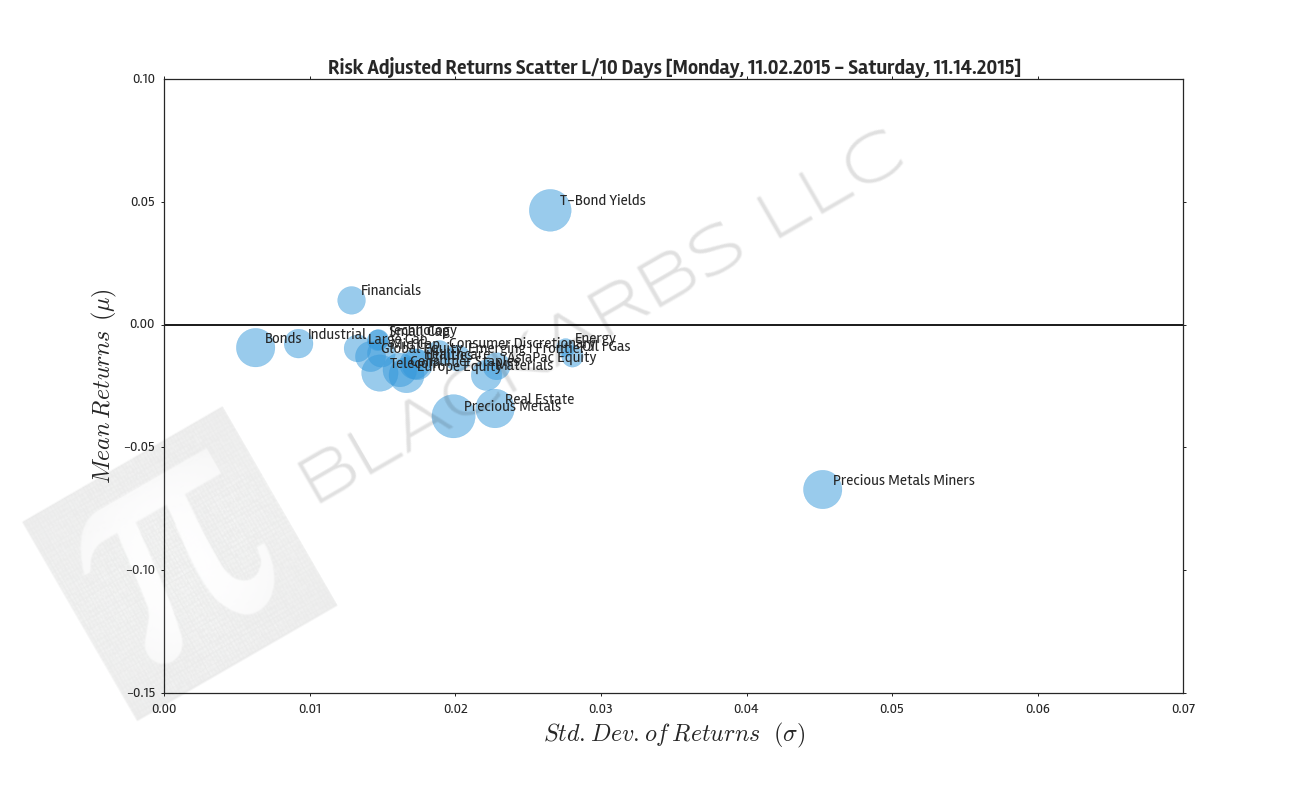
COMPOSITE MACRO ETF WEEKLY ANALYTICS (11/14/2015)
PythonGlobal Markets

COMPOSITE MACRO ETF WEEKLY ANALYTICS (11/14/2015)

NEW LAYOUT (Organized by Time Period): Composite ETF Cumulative Returns Momentum Bar plot and associated Tables Composite ETF Cumulative Returns Line plot Composite ETF Risk-Adjusted Returns Scatter plot (Std vs Mean) Composite ETF Risk-Adjusted Return Correlations Heatmap (Clusterplot) Composite ETF Components: YEAR-TO-DATE LAST 227 TRADING DAYS Click here for help understanding this Chart Click here for help understanding this Chart Click here for help understanding this Chart

READ MORE
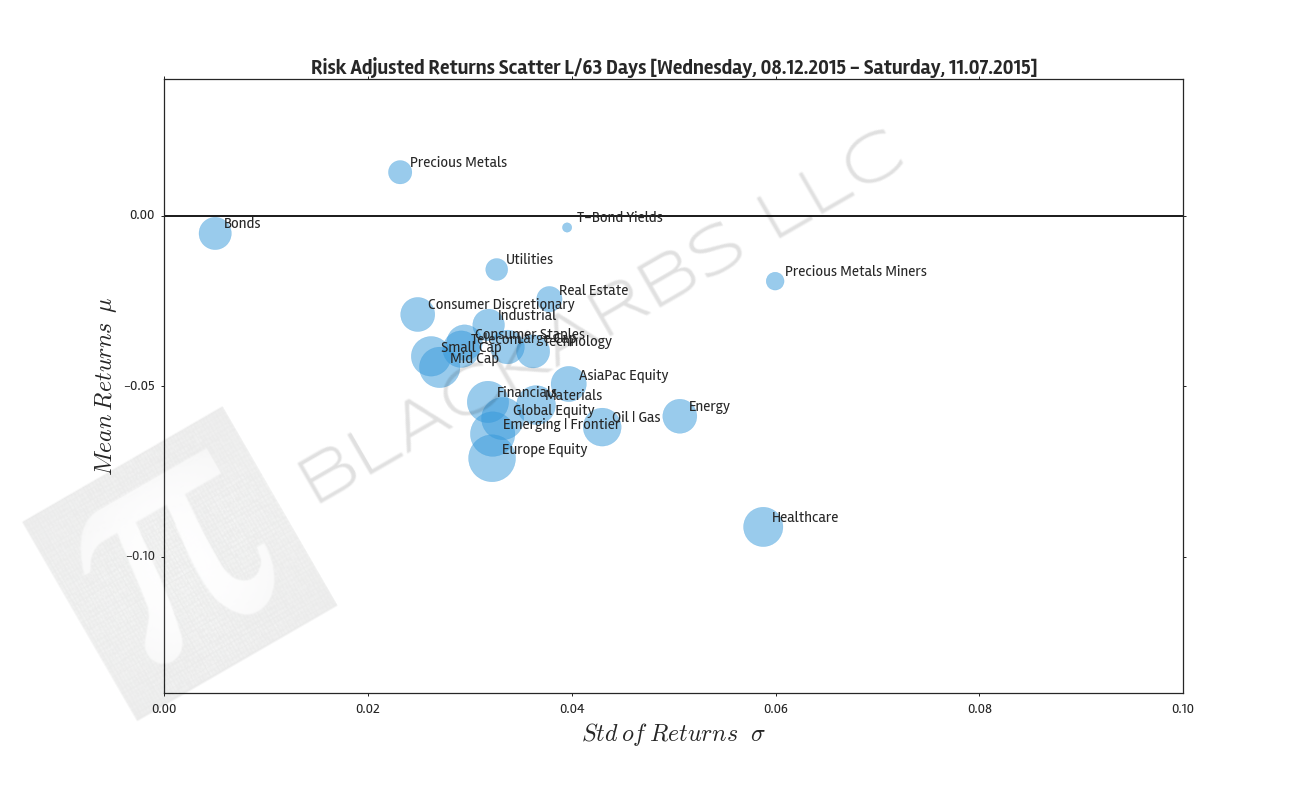
COMPOSITE MACRO ETF WEEKLY ANALYTICS (11/07/2015)
Global MarketsPython

COMPOSITE MACRO ETF WEEKLY ANALYTICS (11/07/2015)

NEW LAYOUT: Composite ETF Cumulative Returns Momentum Bar plot and associated Tables Composite ETF Cumulative Returns Line plot Composite ETF Risk-Adjusted Returns Scatter plot (Std vs Mean) Composite ETF Risk-Adjusted Return Correlations Heatmap (Clusterplot) YEAR-TO-DATE LAST 222 TRADING DAYS Click here for help understanding this Chart Click here for help understanding this Chart Click here for help understanding this Chart Click here for help understanding this Chart LAST 63

READ MORE
Global MarketsPython

COMPOSITE MACRO ETF WEEKLY ANALYTICS (10/18/2015)

COMPOSITE ETF CUMULATIVE RETURN MOMENTUM These charts show the sum (cumulative) of the daily returns of each composite ETF over the specified period. The daily return is calculated as the log of the percent change between daily adjusted close prices. These charts help determine asset class return momentum. This is important because momentum is arguably the strongest and most persistent market anomaly. Poorly performing asset classes are likely to continue under performing while outperforming a

READ MORE
Global MarketsPython

COMPOSITE MACRO ETF WEEKLY ANALYTICS (10/04/2015)

COMPOSITE ETF CUMULATIVE RETURN MOMENTUM These charts show the sum (cumulative) of the daily returns of each composite ETF over the specified period. The daily return is calculated as the log of the percent change between daily adjusted close prices. These charts help determine asset class return momentum. This is important because momentum is arguably the strongest and most persistent market anomaly. Poorly performing asset classes are likely to continue under performing while outperforming a

READ MORE
Equity AnalysisPython

Could SPY ETF Component Participation Have Alerted Us to Sell (Hedge) Prior to the Recent Market Downturn?

This is the Python Code version of a guest post presented here on RectitudeMarket.com. If you would like to read the analysis without the Python code please click the link above. To market pundits and casual observers the recent correction in equity markets appeared as a surprise. Overall headline economic data was positive at best and mixed at worst. Domestically, capital markets had been looking ‘ok’ while most of the major volatility was taking place abroad in emerging markets, and commodity

READ MORE
Global MarketsPython

COMPOSITE MACRO ETF WEEKLY ANALYTICS (9/28/2015)

COMPOSITE ETF CUMULATIVE RETURN MOMENTUM These charts show the sum (cumulative) of the daily returns of each composite ETF over the specified period. The daily return is calculated as the log of the percent change between daily adjusted close prices. These charts help determine asset class return momentum. This is important because momentum is arguably the strongest and most persistent market anomaly. Poorly performing asset classes are likely to continue under performing while outperforming a

READ MORE
EducationEquity Analysis

Guest Post Previously Featured on RectitudeMarket.com (09/02/2015)

**Note: This post already appeared as a guest post on rectitudemarket.com. The reason I'm posting this article when it is 'outdated', is twofold. 1) I think it's beneficial to review previous works especially when one has the benefit of hindsight. This helps us determine the accuracy and bias of the research presented. 2) I further introduce the concept of conditional cumulative returns, which adds insight to what happens to our securities' returns given some other event occurring. In this case,

READ MORE
Global MarketsPython

COMPOSITE MACRO ETF WEEKLY ANALYTICS (9/20/2015)

COMPOSITE ETF CUMULATIVE RETURN MOMENTUM These charts show the sum (cumulative) of the daily returns of each composite ETF over the specified period. The daily return is calculated as the log of the percent change between daily adjusted close prices. These charts help determine asset class return momentum. This is important because momentum is arguably the strongest and most persistent market anomaly. Poorly performing asset classes are likely to continue under performing while outperforming a

READ MORE
Global MarketsPython

COMPOSITE MACRO ETF WEEKLY ANALYTICS (9/14/2015)

COMPOSITE ETF CUMULATIVE RETURN MOMENTUM These charts show the sum (cumulative) of the daily returns of each composite ETF over the specified period. The daily return is calculated as the log of the percent change between daily adjusted close prices. These charts help determine asset class return momentum. This is important because momentum is arguably the strongest and most persistent market anomaly. Poorly performing asset classes are likely to continue under performing while outperforming a

READ MORE
Composite Macro ETF Weekly Analytics (8/30/2015)
Global MarketsQuant

Composite Macro ETF Weekly Analytics (8/30/2015)

COMPOSITE ETF CUMULATIVE RETURN MOMENTUM These charts show the sum (cumulative) of the daily returns of each composite ETF over the specified period. The daily return is calculated as the log of the percent change between daily adjusted close prices. These charts help determine asset class return momentum. This is important because momentum is arguably the strongest and most persistent market anomaly. Poorly performing asset classes are likely to continue under performing while outperforming a

READ MORE